Why Remove an Old Stump
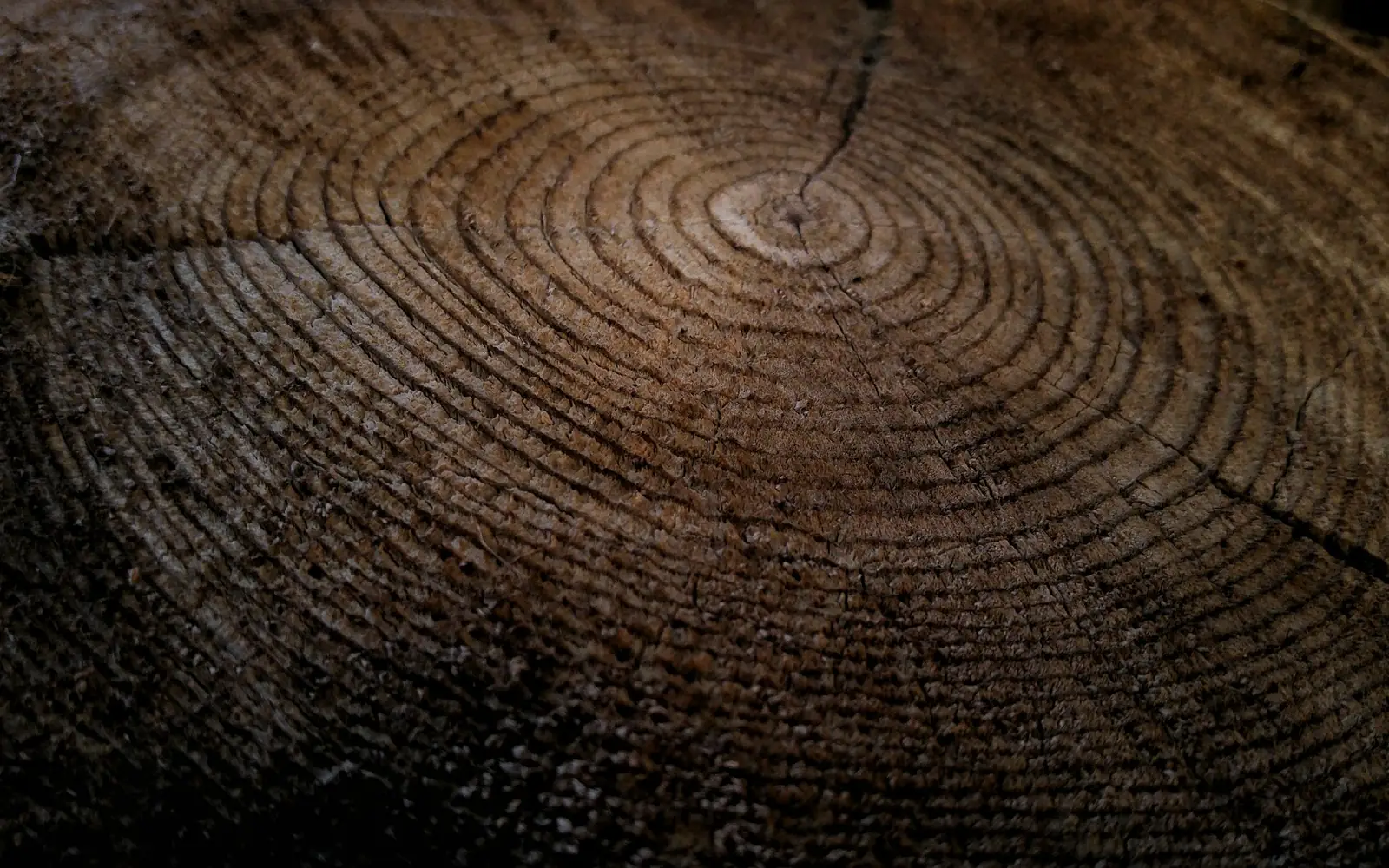
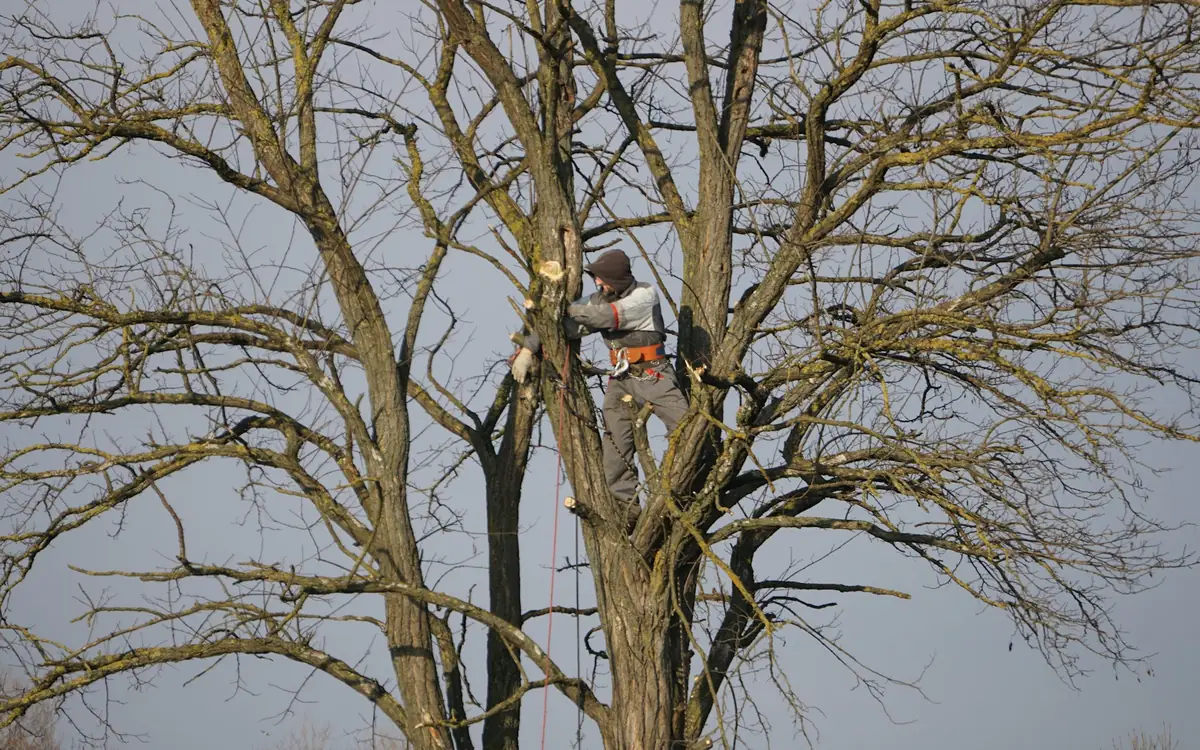
After a tree comes down, the stump is often left behind. It might not seem like a big deal at first, but stumps get in the way of mowing, trip people up and make it hard to replant or lay sod. Some hardwood stumps also send up new sprouts for years.
Rotting stumps can attract ants, termites and other insects, and in the Upstate's warm, humid summers that decay moves along steadily. Grinding the stump out lets you reclaim that part of the yard and move on. It also removes a spot where water collects and weeds take hold.
Stump Grinding vs. Full Stump Removal
- Stump grinding uses a machine with a toothed wheel to chew the stump down several inches below the soil line
- Grinding is the most common choice for lawns and garden beds and is usually the more affordable option
- Full stump removal pulls out the stump and major roots, often with an excavator
- Full removal makes sense when you plan to build, pour concrete or install a patio in that spot
- Either way, ask how deep the contractor will grind and what they will do with the leftover chips
- Tell the contractor about any nearby sidewalks, foundations or septic lines
What to Expect on Grinding Day
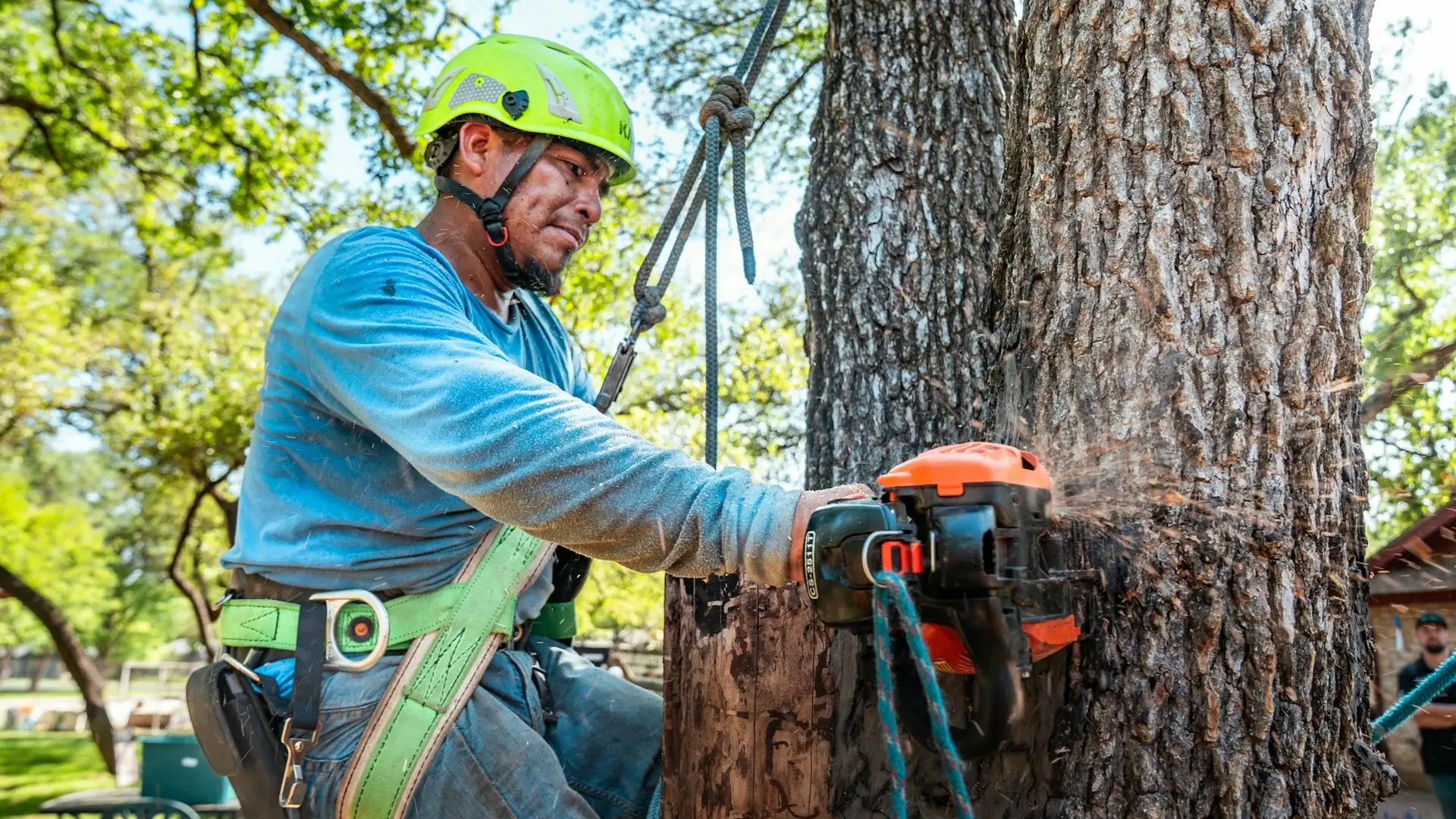
Before any grinding starts, call 811 so utility lines can be marked. Your contractor may handle this, but it is worth asking. Greenville's red clay soil can be hard and rocky, which can slow grinding down, so give the crew a heads-up if you know about buried rocks, irrigation lines or old fence posts.
Grinders come in different sizes. Smaller machines fit through backyard gates, while larger ones handle big oak and pine stumps faster. After grinding, you will have a pile of wood chips and soil mix. Some homeowners use it as mulch; others have the crew haul it away and backfill with topsoil.
Pricing usually depends on the stump's diameter, how many stumps you have and how easy they are to reach. Bundling several stumps into one visit often costs less per stump. Confirm the contractor's insurance before they bring equipment onto your property.